

What Is the Best Veranda for an Irish Garden?
Creating a comfortable outdoor space in Ireland often involves more planning than simply buying garden furniture and placing it on a patio. The weather can change quickly, gardens vary widely in size and orientation, and homeowners increasingly want outdoor areas that can be used for more than a few weeks during the summer.
This is where a well-planned veranda can become an important part of the garden. Positioned correctly, it can create a defined area beside the home for dining, relaxing and spending time outdoors while maintaining a connection with the wider garden.The challenge is deciding what the outdoor space actually needs.
The best veranda is not necessarily the largest structure or the one with the most features. It is the one that suits the property, available space, local conditions and the way the household intends to use it.For homeowners exploring aluminium verandas in Ireland, a good starting point is to think about everyday use before choosing the final configuration.
Start With How You Use Your Garden
Every successful outdoor project begins with a practical question: what do you want the space to do?
Some homeowners want a sheltered dining area immediately outside the kitchen. Others want somewhere to sit with a morning coffee, entertain family and friends or enjoy the garden without feeling completely exposed to changing weather.
A veranda may support activities such as:
- Outdoor dining
- Family gatherings
- Relaxing after work
- Reading
- Morning coffee
- Garden entertaining
- A sheltered seating area
- An outdoor space close to the main living area
The intended use should influence the size, location and layout.
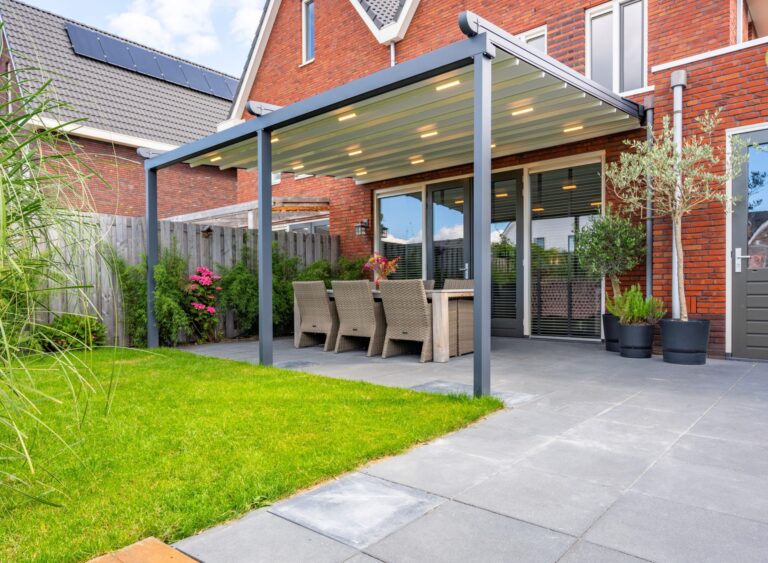
For example, a veranda designed for a small dining set may not need the same depth as one intended for outdoor sofas and a larger entertaining area.It is useful to imagine how the space will work on an ordinary day rather than focusing only on special occasions.
Where will people sit? How will they move between the house and garden? Where will furniture be placed? Will the area be used by two people most of the time, or regularly by a larger group?The answers can help create a more useful design.
Consider the Position Before Choosing the Style
Location has a major influence on whether a veranda becomes a regularly used part of the home.A structure positioned close to frequently used doors can create a natural transition between indoor and outdoor living. For example, an area outside a kitchen, dining room or main living space may become more useful when there is easy access to the covered area.
Before planning the final design, consider:
- Existing doors and windows
- Patio location
- Garden orientation
- Sun exposure
- Views
- Privacy
- Access routes
- Available outdoor space
- Existing trees and landscaping
A veranda should not block the most important routes through the garden or make the outdoor space feel unnecessarily crowded.
Homeowners should also think about where sunlight falls at different times of the day.
A location that feels pleasant in the morning may experience strong afternoon sun. Another area may be naturally shaded but exposed to wind.
Understanding these conditions before selecting the final configuration can make the design more practical.
Think About the Irish Climate
Outdoor living in Ireland means accepting that the weather is not always predictable.
A sunny afternoon can become cooler or wetter surprisingly quickly. This does not mean a veranda can make a garden completely weatherproof, but a covered outdoor area may help make the space more comfortable in a wider range of conditions.
The exact level of shelter will depend on several factors, including:
- The roof design
- The orientation of the structure
- Wind direction
- Open or enclosed sides
- Garden position
- Local weather conditions
A veranda should therefore be designed with realistic expectations.The aim is not to create a completely enclosed indoor room. Instead, the goal may be to create a more sheltered outdoor zone that remains connected to the garden.
Plan the Furniture Before Finalising the Dimensions
One of the most common planning mistakes is selecting the veranda size before thinking about furniture.
A dining table, chairs and outdoor seating can require more space than expected. There also needs to be enough room for people to move comfortably.
Start by considering the furniture you are most likely to use.
For Outdoor Dining
Think about:
- Table size
- Number of chairs
- Space required to move chairs
- Routes between the table and house
- Access to the garden
For Relaxation
Consider:
- Outdoor sofas
- Chairs
- Small tables
- Footstools
- Open circulation space
For Entertaining
You may need to plan for:
- More guests
- Flexible seating
- Clear access
- Movement between the house and garden
The goal is not necessarily to make the veranda as large as possible. A well-proportioned outdoor area can often feel more practical than an oversized structure that dominates the garden.
Use Configuration to Explore the Possibilities
Homeowners can find it easier to make decisions when they can visualise the relationship between the structure and their property.
An Apex veranda configurator can help during the early planning process by allowing homeowners to explore how a veranda might work in relation to their available outdoor space.
Configuration is useful because it encourages practical questions.
For example:
- What width would suit the house?
- How far should the structure extend into the garden?
- Will doors remain clear?
- Is there enough room for furniture?
- How will the veranda connect with the patio?
These questions can help turn a general idea into a more considered project.
However, early visual planning should be supported by appropriate professional assessment before installation.
Create a Strong Connection Between House and Garden
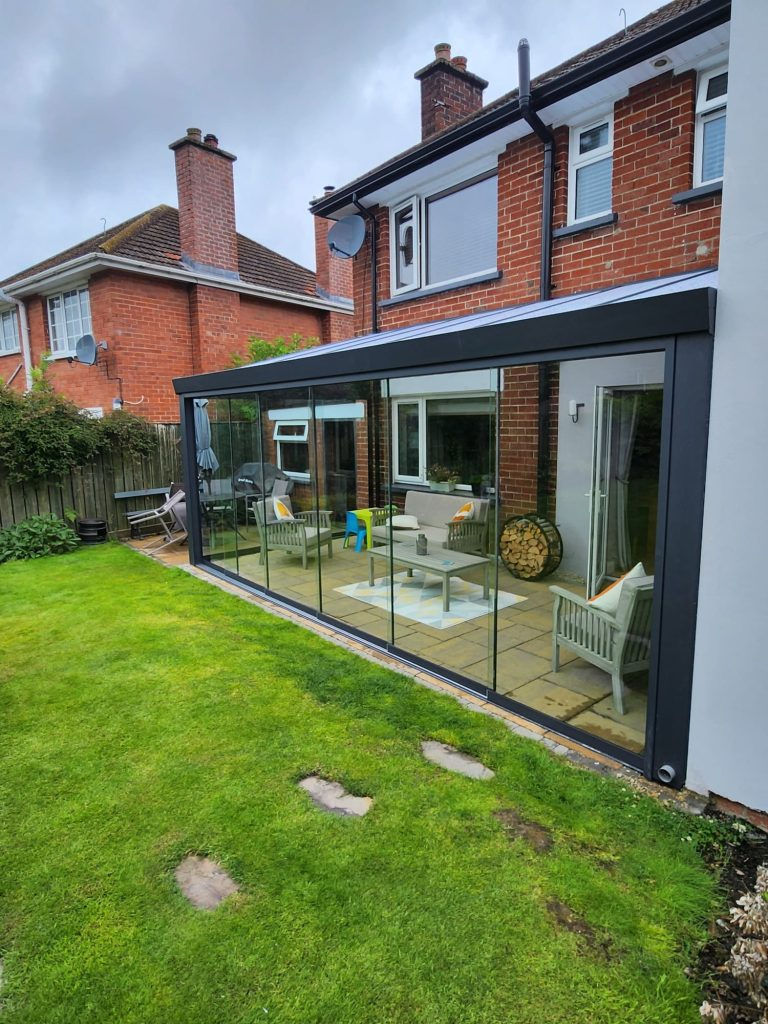
A veranda can work particularly well when it feels like a natural extension of the existing property.The structure does not need to copy every architectural detail of the home, but its proportions and finish should sit comfortably within the wider setting.
Consider:
- Existing window and door colours
- Exterior finishes
- Patio materials
- Garden furniture
- Landscaping
- Property style
The connection between indoor and outdoor areas is especially important.
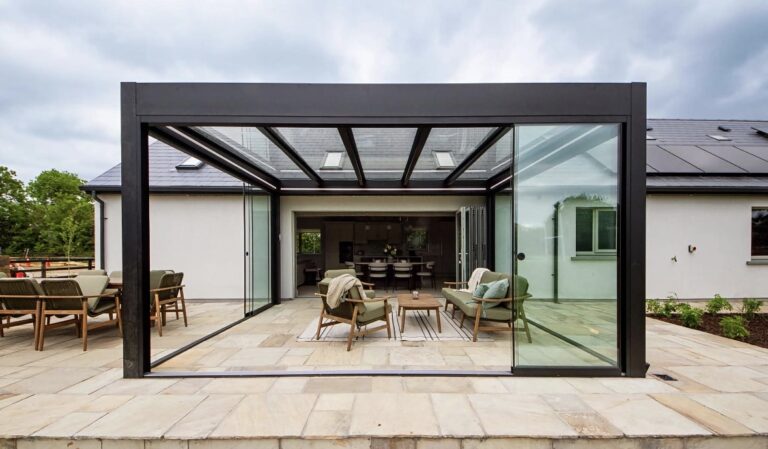
Large opening doors, where already present or appropriate, can help create a stronger sense of flow. A veranda can then provide a transition area rather than feeling like a separate structure at the end of the garden.
This can make everyday activities feel more connected.
For example, a family meal can move outside more easily when the dining area is positioned close to the house.
Plan for Different Times of Day
A garden does not feel the same throughout the day.Morning sunlight, afternoon heat and evening temperatures can all influence how a space is used.
Before finalising the layout, spend time observing the proposed location.
Ask:
- When does the area receive direct sunlight?
- Which areas remain shaded?
- Does the space feel exposed during the evening?
- Is there a view worth preserving?
- Where does wind usually come from?
These observations can influence the position of furniture and the overall configuration.
Lighting Can Make the Space More Practical
Outdoor lighting is worth considering from the beginning rather than adding as an afterthought.
A veranda may be used for dining or relaxing after sunset, particularly during warmer months.
Different lighting may have different purposes.
Practical lighting can help around entrances and pathways. Softer decorative lighting may create a more relaxed atmosphere around seating areas.
Homeowners should also consider electrical requirements at the planning stage if they expect to use additional features.
Careful lighting placement can make the outdoor area easier to use without unnecessarily illuminating the entire garden.
Privacy Should Be Part of the Design
A veranda may not feel comfortable if the seating area is overlooked by neighbouring properties.
Privacy requirements vary significantly between gardens.
Some homes already have mature planting and established boundaries. Others may need to consider how the veranda will sit in relation to nearby houses.
Possible considerations include:
- Existing fencing
- Boundary planting
- Sightlines
- Neighbouring windows
- Furniture placement
- Garden orientation
The aim is usually to create enough privacy for comfortable use while retaining an open connection with the garden.
Consider the Wider Outdoor Layout
A veranda should not be viewed as an isolated garden feature.
Think about how it connects with:
- Patios
- Garden paths
- Lawn areas
- Planting
- Outdoor dining
- Seating
- Other garden features
The structure can become a central point between the house and the rest of the outdoor space.
This may also help homeowners plan future garden improvements in a more coordinated way.
Choose a Design Around Your Lifestyle
There is no single veranda design that suits every Irish property.
A compact urban garden may require a different approach from a larger rural property.
Homeowners should consider:
- Available space
- Number of regular users
- Intended activities
- Privacy requirements
- Sun exposure
- Maintenance preferences
- Property architecture
- Desired appearance
The strongest design is usually the one that responds to real-life requirements.
A bespoke veranda Ireland approach can be particularly useful because outdoor spaces vary considerably in their dimensions and relationship with the home.
Professional Installation and Site Considerations
Planning does not end when the design has been selected.
The existing site also needs consideration.
Factors can include:
- Measurements
- Ground conditions
- Existing surfaces
- Access
- Positioning
- Connection to the property
- Drainage considerations
Professional assessment can help identify practical requirements before installation begins.
Homeowners should also check whether planning permission or other approvals are required for their individual project.
Requirements can vary depending on the property, structure and location. Current guidance should therefore be checked with the relevant local authority or planning body.
Frequently Asked Questions
Can a veranda be attached to an existing house?
Many verandas are designed to sit alongside an existing property. The final approach depends on the structure of the home, the proposed location and the individual installation requirements.
Can a veranda be used throughout the year in Ireland?
A covered outdoor area may be used in different seasons, although comfort depends on weather conditions, the design and how the space is configured. A veranda should not be viewed as providing complete protection from every weather condition.
Do I need planning permission for a veranda in Ireland?
Requirements can vary depending on the property, location and proposed structure. Homeowners should check the current requirements that apply to their individual project before installation.
Final Thoughts
The best veranda begins with a clear understanding of how the outdoor space should work.Instead of starting with a product alone, begin with the garden, the property and the household’s lifestyle. Consider access, sunlight, furniture, privacy and the relationship between indoor and outdoor living.
A well-planned veranda installation Ireland project can help create a more defined and practical outdoor area while maintaining the character of the garden.The goal is not simply to add a structure beside the house. It is to create a space that people genuinely want to use whether for quiet mornings, family meals, entertaining or simply spending more time outdoors.

One Comment