Why Are Irish Businesses Investing in Commercial Outdoor Spaces?
Outdoor space has become one of the most valuable assets for businesses across Ireland. From restaurants looking to increase seating capacity to schools creating covered learning areas and offices improving staff wellbeing, organisations are recognising that a well-designed outdoor environment can deliver practical and financial benefits all year round.
Ireland’s climate is famously unpredictable, but that doesn’t mean outdoor areas should remain underused. Professionally designed commercial outdoor structures enable businesses to make the most of their available space by providing shelter from rain, wind and strong sunshine while maintaining an attractive, welcoming environment.
Rather than treating outdoor areas as seasonal spaces, many businesses now view them as an extension of their premises that can support customers, employees and visitors throughout the year.
What Are Commercial Outdoor Structures?
Commercial outdoor structures are permanent or semi-permanent installations that create sheltered, functional outdoor spaces for commercial properties.
Depending on the business, these structures may include:
- Covered dining terraces
- Entrance canopies
- Outdoor classrooms
- Waiting areas
- Smoking shelters
- Retail display spaces
- Covered walkways
- Staff breakout areas
- Event and hospitality spaces
Unlike temporary gazebos or lightweight shelters, professionally engineered aluminium systems are designed for long-term performance and can withstand Ireland’s changing weather conditions with minimal maintenance.
Why Has Outdoor Space Become a Business Asset?
Consumer expectations have evolved. Customers increasingly appreciate businesses that offer comfortable outdoor environments where they can dine, relax or wait regardless of the weather.
At the same time, businesses are looking for cost-effective ways to increase usable space without investing in expensive building extensions.
Well-planned outdoor structures can help organisations:
- Increase customer capacity
- Improve visitor comfort
- Make better use of existing property
- Create more flexible working environments
- Enhance first impressions
- Extend trading throughout the year
These advantages can contribute to stronger operational performance while improving the overall customer experience.
Creating More Revenue Without Expanding the Building
For hospitality businesses in particular, outdoor areas often represent untapped earning potential.
Restaurants and cafés can serve more customers.
Hotels can host outdoor events and dining experiences.
Retail businesses can create protected display areas.
Leisure venues can accommodate visitors more comfortably throughout the year.
Rather than purchasing additional premises, many organisations find that improving their outdoor space provides a more practical and cost-effective solution.
Commercial Applications Across Different Industries
Every sector has different operational needs, but many share the same objective: making outdoor areas more usable.
Restaurants, Cafés and Hotels
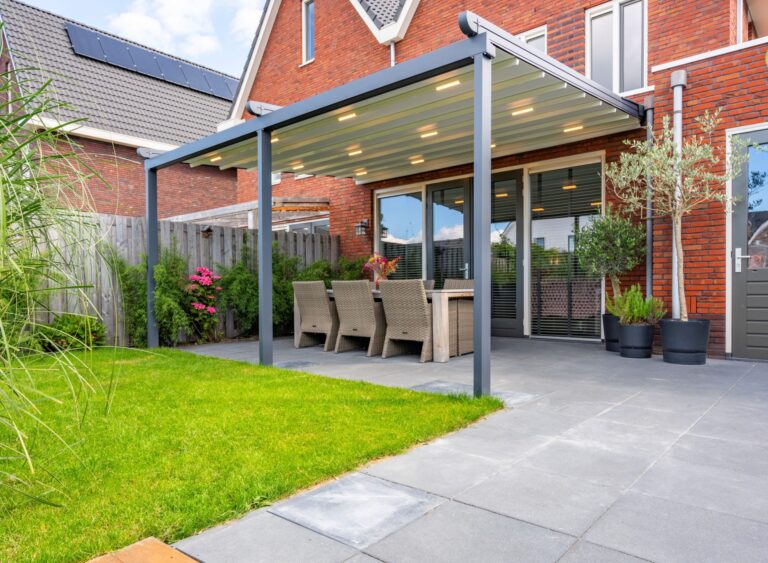
Hospitality businesses frequently install aluminium verandas to create sheltered outdoor dining spaces that remain comfortable during changing weather.
By protecting guests from rain while allowing plenty of natural light, businesses can increase seating capacity and encourage longer customer visits.
Schools and Educational Facilities
Outdoor learning has become increasingly popular across Ireland.
Covered teaching areas provide schools with flexible spaces for:
- Outdoor lessons
- Play areas
- Collection points
- Break-time activities
These spaces help schools continue outdoor activities even when the weather is less predictable.
Offices and Commercial Workplaces
Modern offices increasingly recognise the importance of employee wellbeing.
Covered outdoor breakout areas provide comfortable spaces for informal meetings, lunch breaks or collaborative working while allowing staff to enjoy fresh air throughout the day.
Healthcare Facilities
Hospitals, clinics and care homes benefit from sheltered outdoor spaces where patients, visitors and staff can spend time comfortably regardless of weather conditions.
These environments support accessibility while improving the overall experience for everyone using the facility.
Retail Parks and Commercial Developments
Retail destinations often use covered entrances, walkways and customer waiting areas to improve visitor comfort while creating a more welcoming shopping environment.
Why Does Aluminum Continue to Lead the Market?
Material choice has a major influence on long-term performance and maintenance costs.
Compared with timber structures, aluminium offers several practical advantages.
These include:
- Excellent corrosion resistance
- Long service life
- Minimal maintenance
- Modern architectural appearance
- High structural strength
- Outstanding weather resistance
Unlike timber, aluminium does not require regular painting or treatment, making it particularly attractive for busy commercial environments where maintenance needs to be kept to a minimum.
Designing Outdoor Spaces That Support Business Growth
A successful outdoor structure should do more than provide shelter. It should complement the property’s architecture, improve customer flow and support the way the business operates every day.
Many organisations choose to customize their outdoor spaces with features that enhance comfort and functionality.
Integrated Lighting
LED lighting allows outdoor areas to remain welcoming and practical during darker evenings, making them suitable for year-round use.
Heating Solutions
Outdoor heating extends the usability of dining terraces, waiting areas and staff spaces during cooler weather, helping businesses continue operating comfortably throughout the seasons.
Glass sliding doors
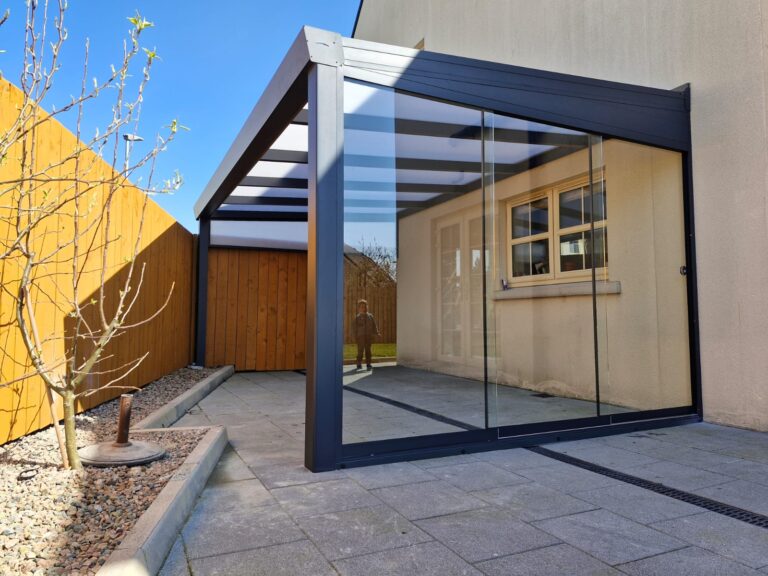
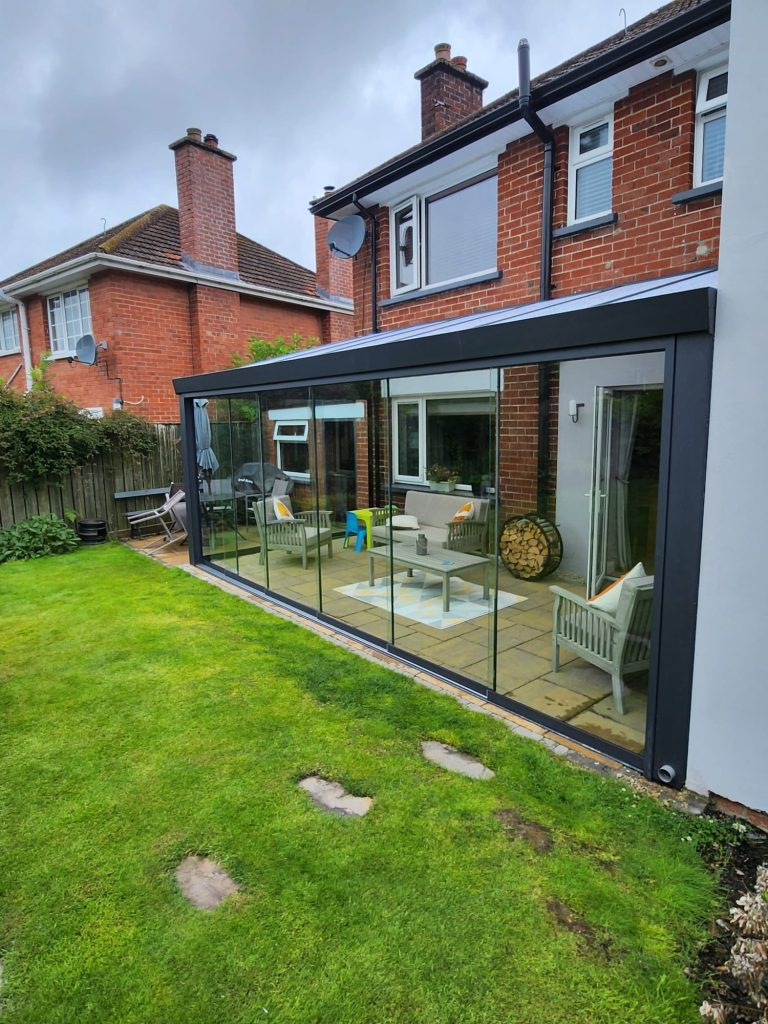
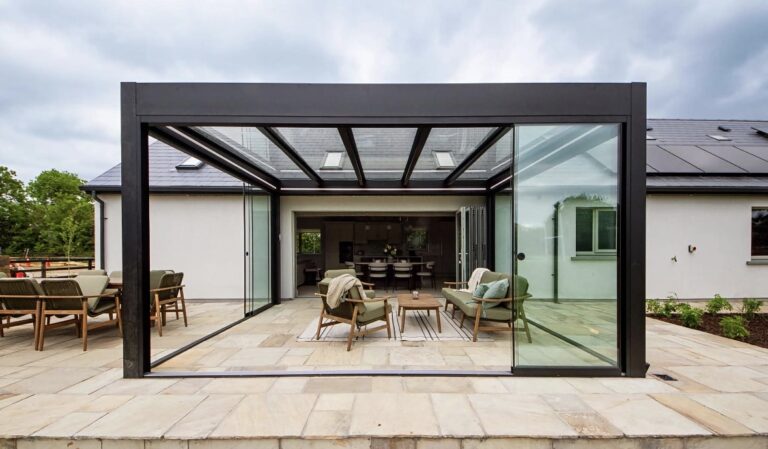
Adding glazed side panels or sliding doors provides greater protection from wind and rain while maintaining natural light and open views. This flexibility allows businesses to adapt to the space quickly as weather conditions change.
Drainage and Accessibility
Integrated drainage systems help manage rainfall efficiently, while accessible layouts ensure outdoor areas remain practical and safe for all visitors, including those with reduced mobility.
Key Factors to Consider Before Investing
Every commercial site is unique, so careful planning is essential before installation begins.
A professional site survey should evaluate:
- Available space and site layout
- Customer and staff movement
- Existing buildings and services
- Local planning requirements
- Drainage and ground conditions
- Future expansion opportunities
- Access for deliveries and maintenance
Working with experienced designers helps ensure the finished structure supports operational efficiency while complementing the overall appearance of the property.
Aluminium vs Timber and Temporary Shelters
Businesses often compare aluminium structures with timber canopies or temporary shelters before making a decision.
Although timber can suit certain architectural styles, it generally requires more ongoing maintenance, including staining or painting to protect it from moisture and weathering.
Temporary shelters may seem like a lower-cost option initially, but they often lack the durability, appearance and longevity required for permanent commercial use.
In contrast, aluminium structures typically provide:
- Excellent durability
- Low maintenance requirements
- Strong resistance to corrosion
- Modern aesthetics
- Long service life
- Better long-term value
For businesses looking to maximise their return on investment, aluminium is often the more practical and cost-effective solution.
Choosing the Right Outdoor Solution
The ideal structure depends on how your business intends to use the space.
For example:
- Restaurants and cafés often prioritise additional covered seating.
- Hotels may require flexible event and dining areas.
- Schools benefit from sheltered outdoor learning spaces.
- Offices focus on employee wellbeing and collaboration.
- Healthcare facilities value accessible, weather-protected outdoor areas.
- Retail parks look for welcoming entrances and comfortable customer walkways.
A bespoke design ensures the structure supports both current operations and future business growth.
Frequently Asked Questions
1. What are commercial outdoor structures?
They are permanent or semi-permanent installations that create sheltered outdoor spaces for businesses, including dining areas, walkways, waiting areas and breakout spaces.
2. Why are businesses investing in outdoor spaces?
They help increase usable space, improve customer experience, support staff wellbeing and allow businesses to operate more effectively throughout the year.
3. Are aluminium structures suitable for Ireland’s climate?
Yes. Aluminium is highly resistant to corrosion, requires very little maintenance and performs well in Ireland’s wet and changeable weather conditions.
4. Do commercial outdoor structures require planning permission?
Planning requirements vary depending on the size, location and intended use of the structure. Professional advice should always be obtained before installation.
Conclusion
Outdoor space is no longer an overlooked feature of commercial properties—it has become a valuable business asset. Whether the goal is to increase restaurant seating, create sheltered learning environments, improve workplace wellbeing or provide better customer facilities, a professionally designed outdoor structure can deliver lasting operational and financial benefits.
By considering factors such as layout, accessibility, weather protection and future expansion, businesses can create flexible spaces that remain useful throughout the year. Consulting an experienced specialist such as Apex Verandas Ireland helps ensure your investment is tailored to your property’s needs, enhances the customer experience and provides long-term value for years to come.